

Preparing Horses for the Seasonal Change: Summer to Fall
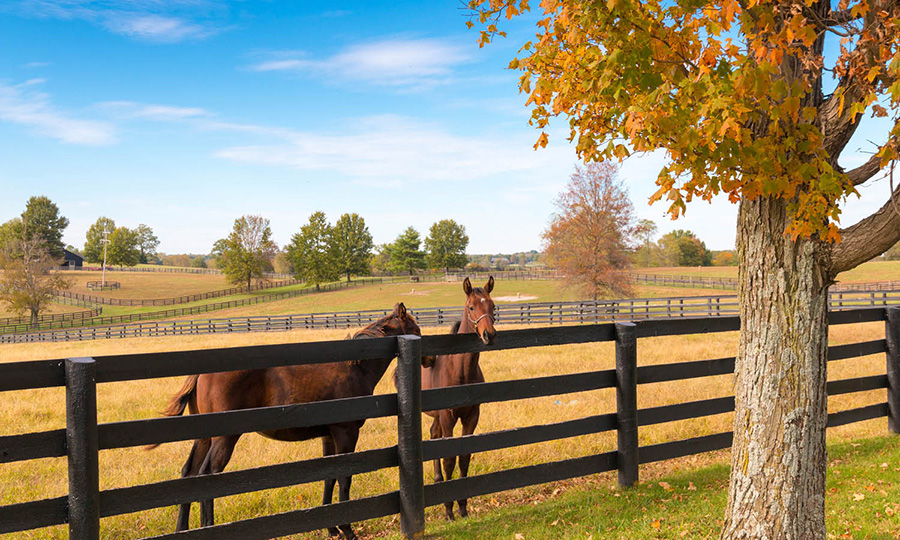
 As the long, hot days of summer begin to shorten, horse owners across Ontario start thinking about the transition to fall. While autumn brings cooler temperatures, beautiful riding conditions, and vibrant colours, it also signals important changes in a horse's nutritional needs, coat growth, and overall management.
The shift from summer to fall is one of the most important times of year to assess your horse's health and body condition before winter arrives. Taking a proactive approach now can help prevent challenges later and ensure your horse enters the colder months healthy and prepared.
 Coat Changes: Separating Fact from Fiction
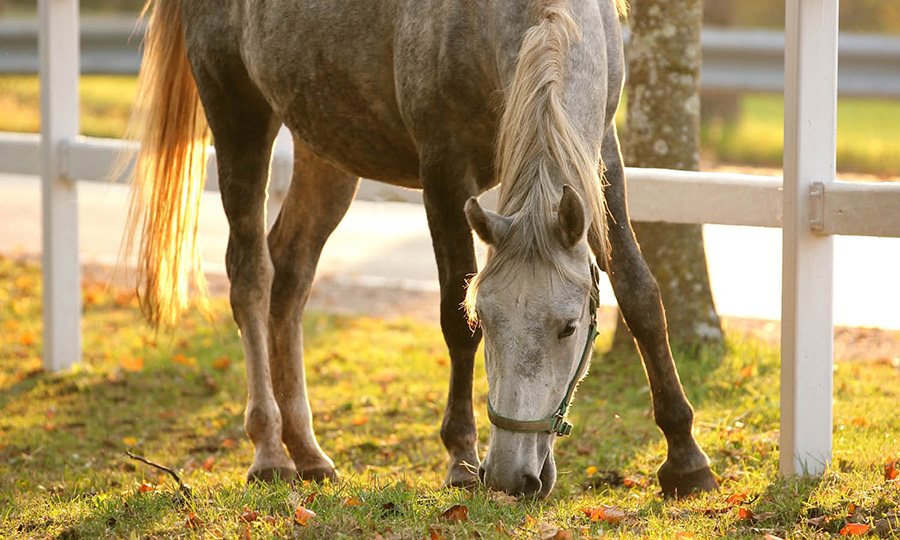
One of the most common misconceptions among horse owners is that cold weather causes horses to grow their winter coats. In reality, temperature plays a much smaller role than many people realize.
The primary trigger for winter coat growth is decreasing daylight hours. As the days become shorter in late summer, a horse's body begins responding to those changes by producing a thicker coat in preparation for winter. This process starts long before the first frost and often before temperatures begin to cool significantly.
This explains why horses may begin growing winter hair during August heat waves and why spring shedding begins before consistently warm weather arrives.
Understanding this natural cycle can help owners make informed decisions regarding grooming, clipping, and blanketing. While blanketing may influence the thickness of a horse's coat, it does not stop the body's natural response to changing daylight.
As coats begin to thicken, regular grooming becomes increasingly important. Grooming helps remove loose hair, promotes healthy skin, improves circulation, and allows owners to monitor for any skin issues that may be hidden beneath a growing coat.
 Pasture Isn't What It Was in June
Spring and early summer pastures are often rich in nutrients and provide excellent forage for many horses. However, by late summer and early fall, pasture quality can begin to decline.
Several factors contribute to this change:
• Reduced rainfall
• Drought conditions
• Overgrazing
• Heat stress on forage
• Mature grass with lower nutrient density
Many horse owners assume that because pasture remains green, it is still providing the same nutritional value as it did earlier in the season. Unfortunately, this is not always the case.
As forage quality decreases, horses may struggle to maintain weight and body condition, particularly if they have higher nutritional demands.
Owners should pay special attention to:
• Growing horses
• Senior horses
• Performance horses
• Pregnant or lactating mares
• Hard keepers
These horses often require additional nutritional support as pasture quality declines.
Now is an ideal time to evaluate feeding programs and determine whether adjustments are needed before colder weather arrives.
 Monitor Weight Before Winter
Fall body condition assessments are one of the most valuable management practices horse owners can perform.
Waiting until winter to address weight loss often means playing catch-up during the most challenging time of year. Horses naturally require more energy to maintain body temperature as temperatures drop, making it harder to restore lost condition once winter is underway.
Instead, assess your horse's body condition now.
A visual inspection is helpful, but hands-on evaluation provides a more accurate picture. Pay attention to:
• Rib coverage
• Fat deposits behind the shoulder
• Neck and crest condition
• Topline muscle development
• Hip and tailhead coverage
Many owners are surprised to discover their horses are thinner—or heavier—than they initially thought.
The goal is not simply to have a horse carrying extra weight for winter. Rather, horses should maintain a healthy body condition that supports overall health, performance, and metabolic function.
If a horse is losing condition, adjustments to forage, feed, or supplementation may be necessary before temperatures begin to fall.
Likewise, overweight horses should not be ignored. Excess body weight can increase stress on joints and contribute to metabolic concerns, including insulin resistance and laminitis.
 Knowing When to Increase Hay
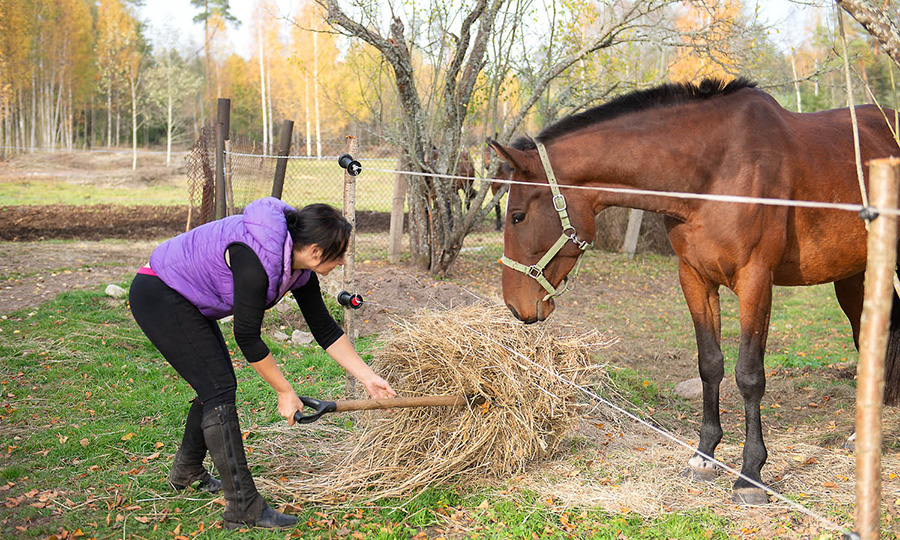
One of the most common questions horse owners ask each fall is, "When should I start feeding more hay?"
The answer depends less on the calendar and more on what is happening in the pasture.
As pasture growth slows, horses often spend more time grazing while consuming fewer nutrients. Even though they may appear to be eating throughout the day, they may not be receiving enough forage to meet their nutritional needs.
Signs it may be time to introduce or increase hay include:
• Horses spending more time searching for forage
• Shorter pasture growth
• Areas of overgrazing
• Weight loss or declining body condition
• Increased competition among horses for available grass
Introducing hay gradually before pasture is completely depleted allows horses to transition more smoothly and helps maintain digestive health.
Quality forage should remain the foundation of every horse's feeding program. For many horses, hay becomes increasingly important as fall progresses and pasture production slows.
Owners should also evaluate their winter hay supply early. Securing quality forage before demand increases can help avoid shortages and provide peace of mind heading into the colder months.
 Nutrition Beyond Forage
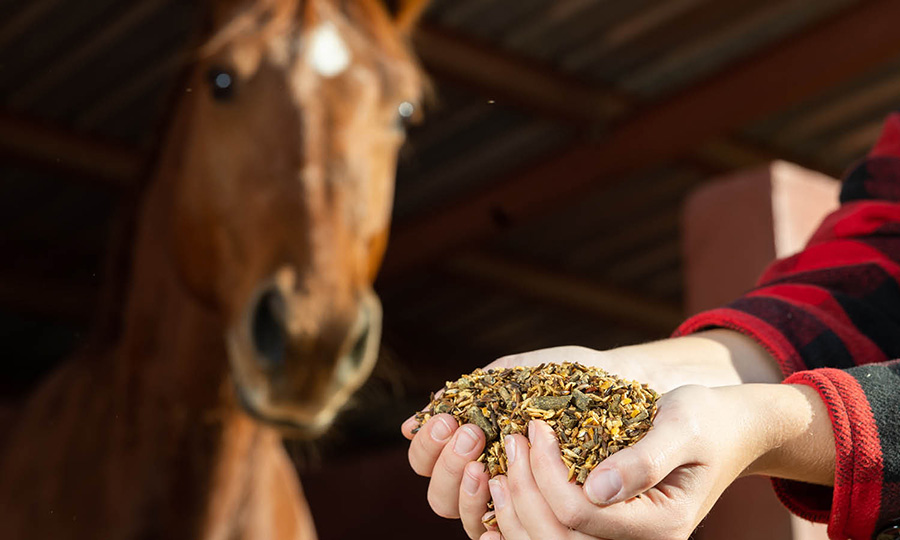
While forage remains the cornerstone of equine nutrition, fall is an excellent time to review mineral and supplementation programs as well.
Changing pasture conditions can create nutritional gaps that may impact overall health and performance. Providing balanced minerals and appropriate supplements can help support:
• Hoof quality
• Immune function
• Digestive health
• Muscle development
• Coat condition
Every horse has unique requirements based on age, workload, body condition, and health status. A feeding program that worked well in spring may require adjustments as the seasons change.
Consulting with knowledgeable feed specialists can help ensure horses receive balanced nutrition throughout the transition period.
 Planning Ahead Pays Off
The transition from summer to fall presents an excellent opportunity to evaluate your horse's overall management program. Small adjustments made now can have a significant impact on health, comfort, and performance throughout winter.
By monitoring coat development, assessing pasture quality, evaluating body condition, and making timely forage and nutrition adjustments, horse owners can help their horses move confidently into the next season.
At GrandErie's Farm & Country Division, we understand that every horse is different. Whether you're caring for a backyard companion, a competitive performance horse, or an entire herd, our team is here to help with quality feeds, forage solutions, minerals, supplements, and seasonal horse care products. We're committed to helping horse owners make informed decisions that support the long-term health and well-being of their horses.
After all, successful winter preparation doesn't begin with the first snowfall—it begins long before fall has even arrived.
Source: GrandeErie Home Hardware