


Mud, Rain Rot, and Scratches: Managing Horses During Wet Fall Weather

Fall brings cooler temperatures, colourful landscapes, and ideal riding weather—but it also brings rain, mud, and moisture-related skin conditions that can quickly become frustrating for horse owners.
As pastures become saturated and paddocks turn muddy, horses become more susceptible to common skin issues such as rain rot and scratches. While these conditions are rarely life-threatening, they can cause discomfort, affect performance, and become difficult to manage if left untreated.
Understanding how these conditions develop—and how to prevent them—can help horse owners keep their horses healthy and comfortable throughout the wet season.
Understanding Rain Rot and Scratches
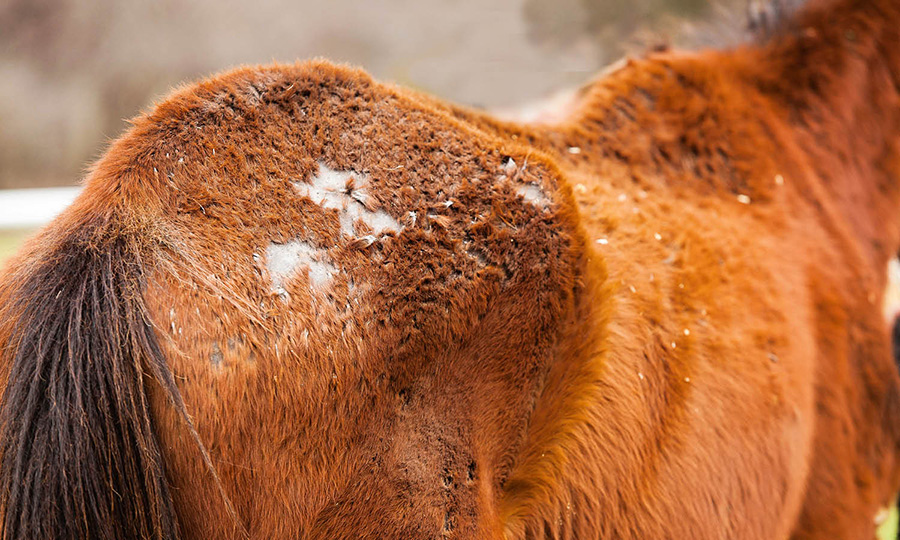
Rain rot, also known as rain scald, is a bacterial skin infection that commonly develops when a horse's skin remains wet for extended periods. It typically appears as crusty scabs along the back, rump, neck, and topline where moisture becomes trapped within the coat.
Scratches, sometimes referred to as mud fever or pastern dermatitis, affect the lower legs and pastern area. Prolonged exposure to wet, muddy conditions can damage the skin's protective barrier, allowing bacteria, fungi, and other irritants to penetrate the skin.
While both conditions thrive in moist environments, they are not caused by rain alone. The combination of moisture, compromised skin, and environmental conditions creates the perfect opportunity for infection.
Prevention Starts with Management
The best treatment is prevention.
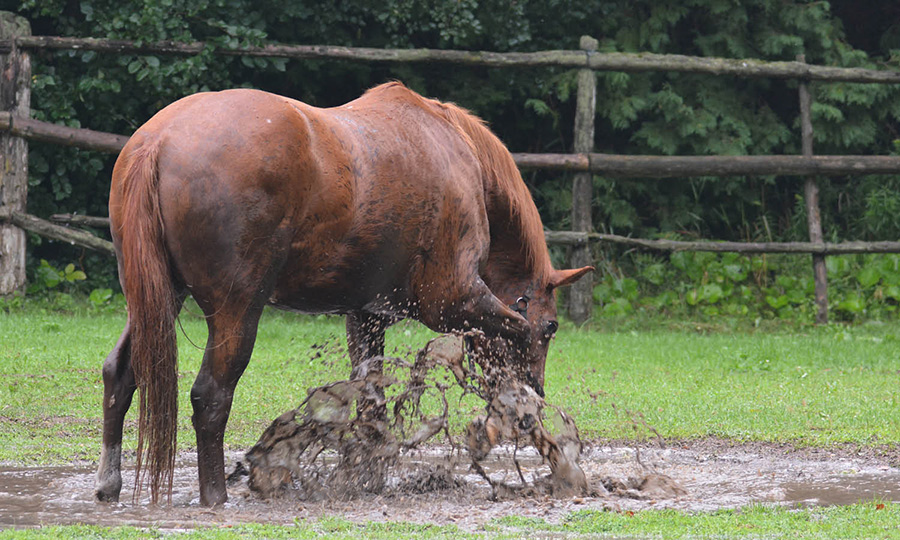
Reducing prolonged exposure to wet conditions can significantly decrease the likelihood of rain rot and scratches developing.
Horse owners should routinely inspect their horses during wet weather, paying particular attention to the back, pasterns, heels, and lower legs. Early signs such as scabbing, redness, hair loss, or skin sensitivity should never be ignored.
Regular grooming is another valuable preventative measure. Grooming removes dirt, debris, and excess moisture while allowing owners to identify developing problems before they become more serious.
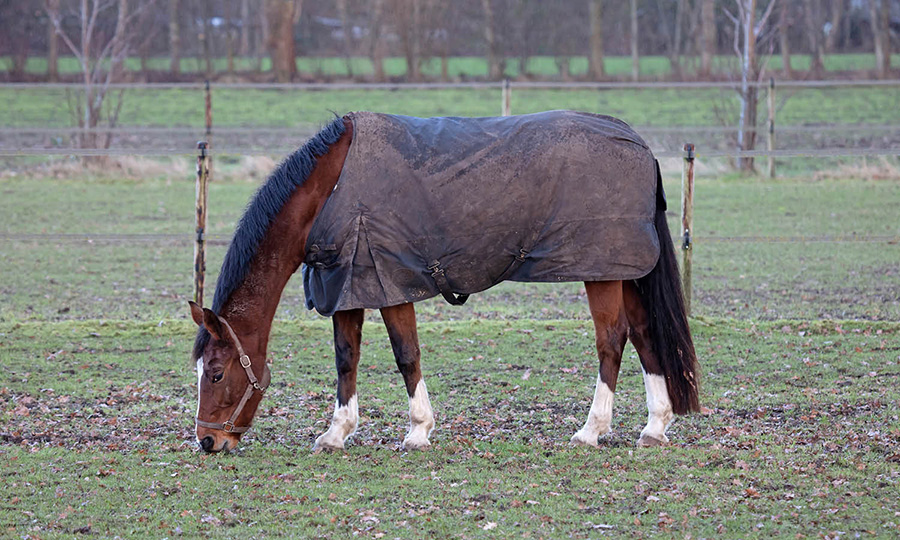
If horses become soaked from rain, allowing them to dry completely before blanketing can also help reduce skin irritation and moisture buildup.
 The Importance of Environmental Management
Many fall skin issues begin with the environment rather than the horse itself.
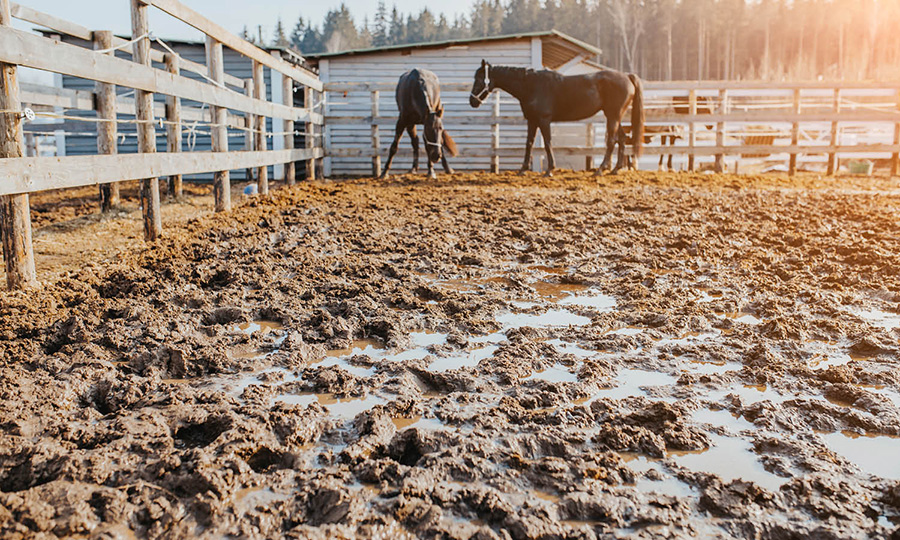
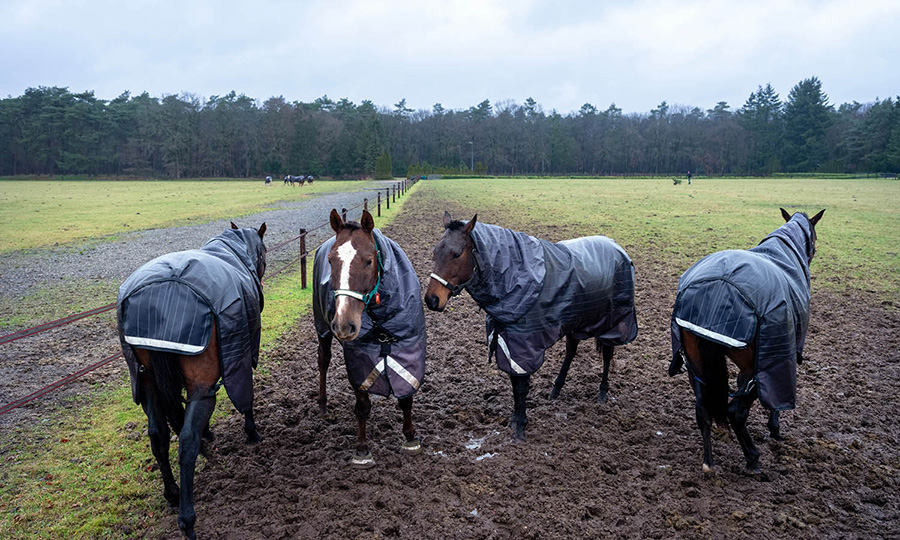
Poor drainage, muddy gate areas, overcrowded paddocks, and continuously wet turnout areas create ideal conditions for bacterial growth.
Improving footing around high-traffic areas can make a significant difference. Adding gravel, improving drainage, rotating turnout areas, and providing access to dry standing locations can help reduce prolonged exposure to mud.
Inside the barn, clean and dry bedding is equally important. Wet stalls can contribute to skin irritation and increase moisture exposure around the legs and feet.
Maintaining clean stalls and ensuring adequate bedding depth helps create a healthier environment while supporting hoof and skin health throughout the season.
 Early Treatment Leads to Better Outcomes
One of the biggest mistakes horse owners make is waiting too long to address early signs of skin problems.
At the first indication of rain rot or scratches, affected areas should be examined closely. Mild cases often respond well to gentle cleansing, keeping the area clean and dry, and removing conditions that allow moisture to remain trapped against the skin.
Owners should avoid aggressively picking scabs or scrubbing sensitive areas, as this can damage healthy tissue and delay healing.
For more advanced cases involving swelling, pain, discharge, or lameness, consultation with a veterinarian is recommended to determine the most appropriate treatment plan.
As with many health concerns, addressing issues early is often simpler, less expensive, and more effective than treating advanced infections.
 Common Misconceptions
Several myths continue to circulate regarding rain rot and scratches.
Myth #1: Only dirty horses get rain rot.
Not true. Even well-groomed horses can develop rain rot if their skin remains damp for extended periods. Moisture—not dirt—is the primary contributing factor.
Myth #2: Horses should be kept inside whenever it rains.
While shelter is beneficial, turnout remains important for a horse's physical and mental well-being. The goal is not necessarily to eliminate exposure to rain but to provide opportunities for horses to dry out and avoid standing in mud continuously.
Myth #3: Scratches are always caused by mud.
Mud is a common contributor, but scratches can also be associated with bacteria, fungi, mites, allergies, photosensitivity, and other skin irritants. Persistent cases may require further investigation.
Myth #4: Once healed, the problem won't return.
Unfortunately, horses that have experienced rain rot or scratches may be more susceptible to future outbreaks if environmental conditions remain unchanged. Ongoing management and prevention are key.
 Preparing for a Healthier Fall Season
While wet weather is inevitable, many of the challenges associated with fall conditions can be minimized through proactive management.
Regular grooming, early detection, proper nutrition, clean bedding, effective drainage, and thoughtful turnout management all play important roles in maintaining healthy skin throughout the season.
At GrandErie's Farm & Country Division, we understand the unique challenges horse owners face during Ontario's changing seasons. From bedding and stable supplies to grooming products, pasture management solutions, and seasonal horse care essentials, our team is here to help you keep your horses comfortable, healthy, and ready to enjoy the best of fall.
A little prevention today can help avoid bigger problems tomorrow—and keep both horses and owners happier throughout the season ahead.
Source: GrandeErie Home Hardware