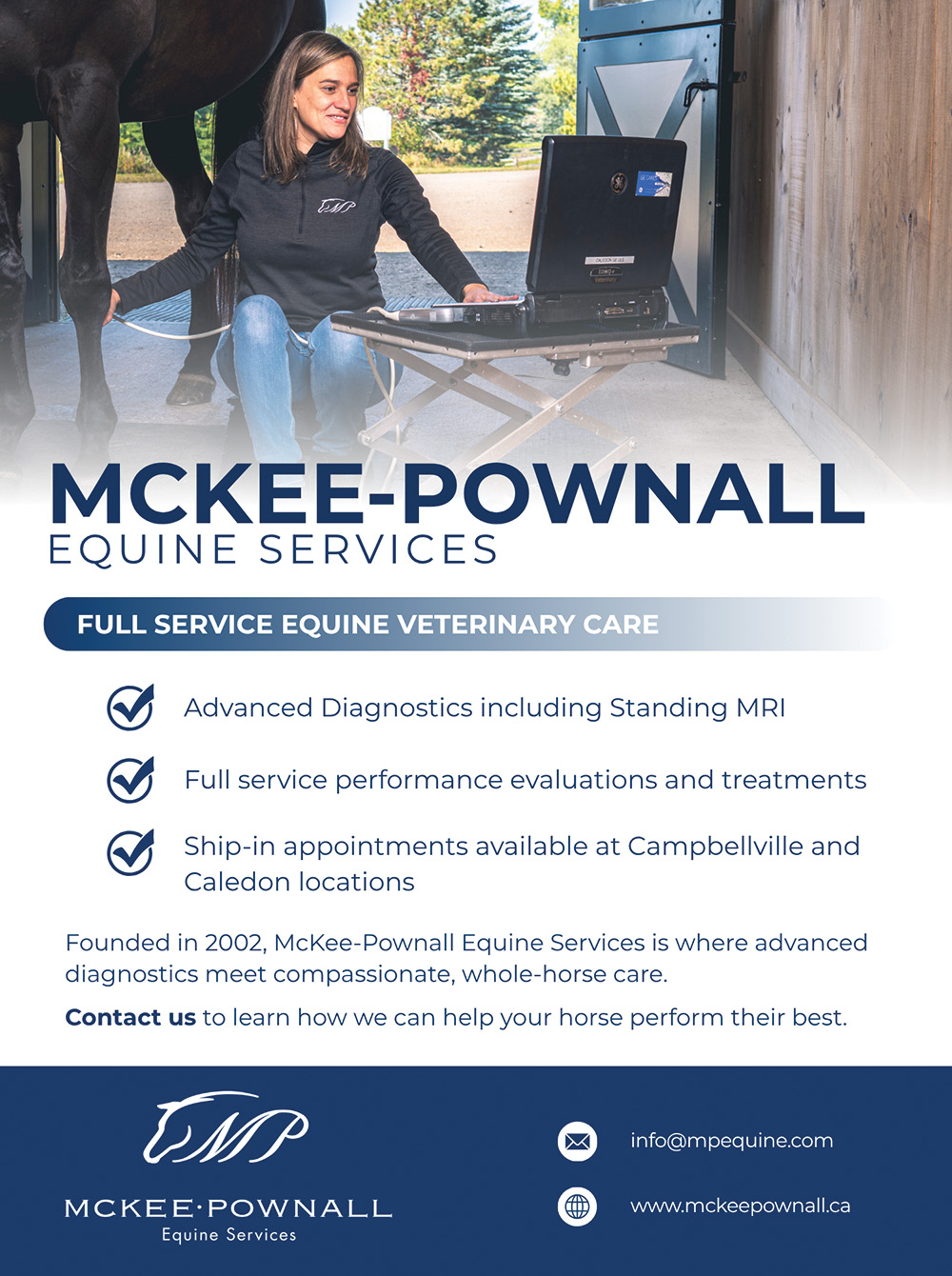



Helping horse people make informed decision about the health of their horse!
A client recently asked us to have a look at their horse before one final show of the year.
There wasn’t anything obviously wrong. The horse wasn’t lame, there hadn’t been a dramatic change in performance, and there was no specific problem they wanted investigated. It was really just a spur-of-the-moment thought:
“Before we go to this last show, could you give him a once-over and make sure everything is okay?”
It turned out to be a very good question to ask.
During the examination, we found a couple of areas that concerned us. They weren’t causing an obvious lameness yet and, without specifically looking for them, could easily have gone unnoticed. But if this horse had continued training and competing, there was a good chance those relatively minor problems could have progressed into something much more significant.
Instead of simply heading off to the next show, we now had information. And with that information, we could make a plan.
The owner’s reaction stuck with us. She basically said, “I’m so glad I asked. I could have kept riding and showing and made this much worse without even knowing it.”
There’s an old saying that fits this situation remarkably well:
“An ounce of prevention is worth a pound of cure.” — Benjamin Franklin
That experience is a great example of why we think a post-season veterinary checkup can be so valuable.
Looking at the Whole Horse
At McKee-Pownall Equine Services, we talk a lot about looking at the whole horse. It’s easy to focus on one sore joint, one tendon or one foot, but horses don’t work as a collection of individual body parts. Their soundness, respiratory health, gastrointestinal health, nutrition, fitness and overall well-being all contribute to how they feel and perform.
The end of the show season gives us a natural opportunity to step back and ask a bigger question:
“How did this horse come through the season?”
We start with the horse in front of us. We look at body condition and muscle development. We palpate the neck and back for areas of soreness or asymmetry. We examine the joints, tendons and ligaments for heat, swelling or sensitivity. We look at the feet and hoof balance. Then we watch the horse move.
We also want to hear from the rider and trainer. Has anything changed? Is the horse a little stiffer in one direction? Is one lead more difficult? Does it take longer to warm up? Is it not pushing quite as strongly from behind? Has its attitude toward work changed? Does it seem to tire more easily?
Sometimes those seemingly minor observations become important pieces of the puzzle.
Sometimes the Examination Takes Us Further
One of the advantages of starting with a whole-horse assessment is that what we find can help determine where we need to look next.
If we identify a potential soundness issue, we may recommend further evaluation with diagnostic anesthesia, X-rays, ultrasound or other imaging.
But performance isn't only about soundness.
If a horse seems to tire more quickly, coughs, has increased respiratory effort or simply isn't performing to expectations, we may want to look more closely at respiratory function.
Changes in attitude, appetite, body condition or performance may lead us to consider whether gastric ulcers could be contributing. Similarly, changes in weight, muscle development, energy or recovery may suggest that it is worth reviewing the horse's nutrition.
Depending on the individual horse, we might also consider dental health, metabolic health or other areas that could be affecting how that horse feels and performs.
This doesn't mean every horse needs every test. Quite the opposite.
The examination helps us decide what is relevant for that particular horse.
Information Gives Us Options
That is closely tied to our mission at MPES:
We give horse people peace of mind with their horse health care by helping them make informed decisions.
For us, peace of mind doesn't necessarily mean being told that everything is perfect. It means having a better understanding of your horse, knowing what concerns are important—and which ones aren't—and having enough information to decide what to do next.
Sometimes the outcome is simply, “Everything looks great. Let's make a plan for the winter.”
Other times, we identify something early enough that we can do something about it.
And that is exactly when we would prefer to find it.
Winter Is an Opportunity
We often think of winter simply as the off-season, but it can be one of the most useful parts of a horse's annual program.
If we identify a mild tendon or ligament strain, some joint soreness, foot pain, muscle weakness, a respiratory concern, nutritional issue or another developing problem, we have something extremely valuable on our side: time.
We can modify the workload. We can address shoeing and foot balance. We can develop a rehabilitation or strengthening program. We can make nutritional changes or investigate other health concerns. And, when appropriate, we can treat a problem before asking the horse to return to full training.
The right winter program will be different for every horse because the goal isn't simply to treat an individual problem. It is to prepare the whole horse for what we are going to ask of it next year.
Next Season Starts Now
That is really the point of a post-season examination.
It isn't just about finishing this season. It's about preparing for the next one.
Too often, we wait until a few weeks before the first show to ask whether our horse is ready. If we discover a problem in March or April, suddenly we're working against the clock. We want the horse sound. We want the horse fit. And there's already a competition date circled on the calendar.
Finding the same problem in the fall gives us options.
We have time to rest. Time to rehabilitate. Time to improve strength and fitness. Time to address shoeing, respiratory health, nutrition or other contributing factors. And, if necessary, time to adjust our expectations for the following season.
A post-season examination isn't a guarantee that we'll find every developing problem, nor does every horse need an extensive diagnostic workup. What we do should always be appropriate for that individual horse—its age, workload, competition level, history and goals.
Ultimately, it comes down to asking a very simple question:
“How is my horse really doing?”
The client who asked us that before one final show hadn't noticed a major problem. Neither had the rider. The horse was still working and competing.
Fortunately, they asked the question before the horse came up limping with the answer.
Sometimes catching a small problem today, understanding what it means and making a plan for the whole horse is what gives us the best chance of having a sound, healthy and happy horse ready for tomorrow.
And having the information you need to make those decisions about your horse? That's what we mean by peace of mind.
I think the new “Sometimes the Examination Takes Us Further” section is important. It turns “whole horse” from a slogan into something concrete: start with a broad assessment, then let the history and findings determine whether you need to investigate soundness, respiratory function, gastric health, nutrition, or something else. That also reinforces the mission because the emphasis is on information guiding decisions, rather than simply doing more diagnostics.
Visit https://www.mckeepownall.ca/equine-performance-centre
Source: McKee-Pownall Equine Services