


Keeping Horses Healthy Through Ontario's Hottest Months
For horse owners, summer is one of the most enjoyable seasons of the year. Longer days mean more riding, more turnout, and more time spent at the barn. However, July's heat, humidity, insects, and changing pasture conditions can also create challenges that impact a horse's health and performance.
A few proactive management practices can help horses stay comfortable and healthy all summer long.
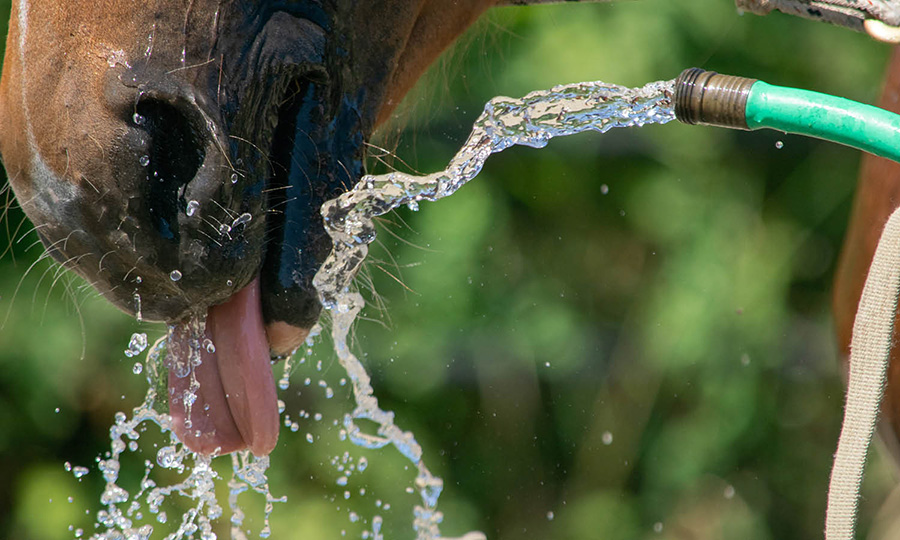 Hydration Comes First
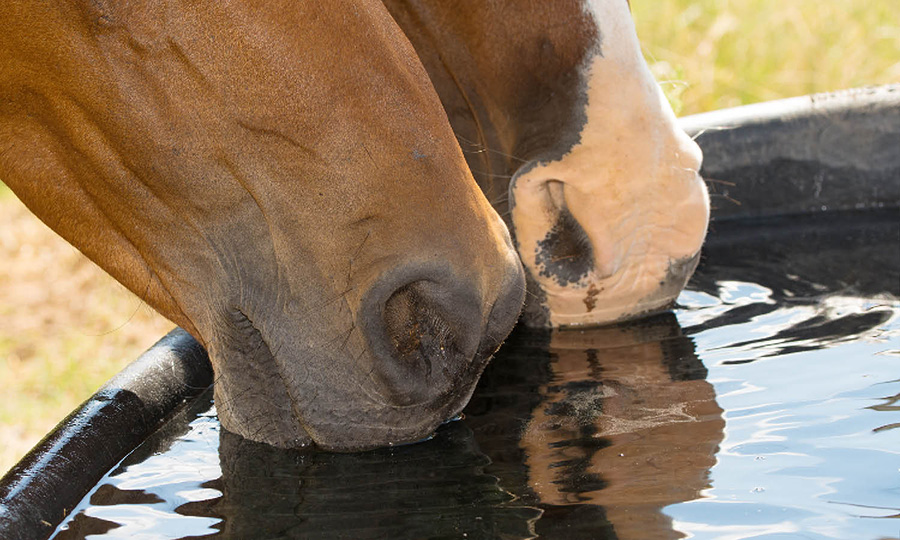
Water is the most important nutrient in a horse's diet, especially during hot weather. Horses can consume significantly more water during periods of heat and exercise, making constant access to clean, fresh water essential.
Owners should regularly clean water troughs and buckets to prevent algae growth and encourage consumption. Horses that sweat heavily may also benefit from electrolyte supplementation to help replace minerals lost during exercise and extreme temperatures.
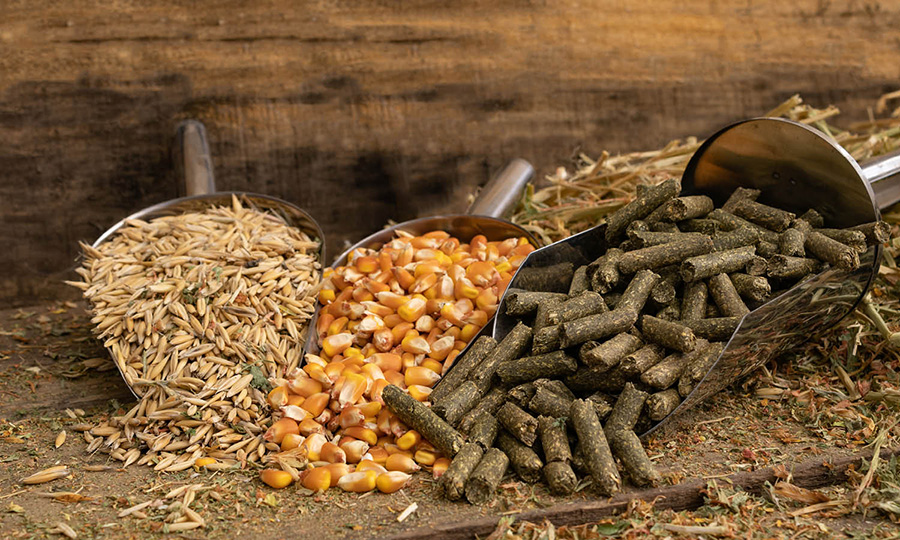 Evaluate Summer Feeding Programs
Many horse owners assume lush summer pasture provides all the nutrition their horses need. While pasture can be an excellent feed source, nutrient levels can vary significantly depending on weather conditions, grazing pressure, and pasture maturity.
Mid-summer is a good time to assess body condition and review feeding programs. Growing horses, performance horses, broodmares, and senior horses often have nutritional requirements that pasture alone may not meet.
A balanced feeding program that includes quality horse feed, minerals, and supplements can help support:
• Healthy body condition
• Muscle development
• Hoof health
• Digestive function
• Overall performance
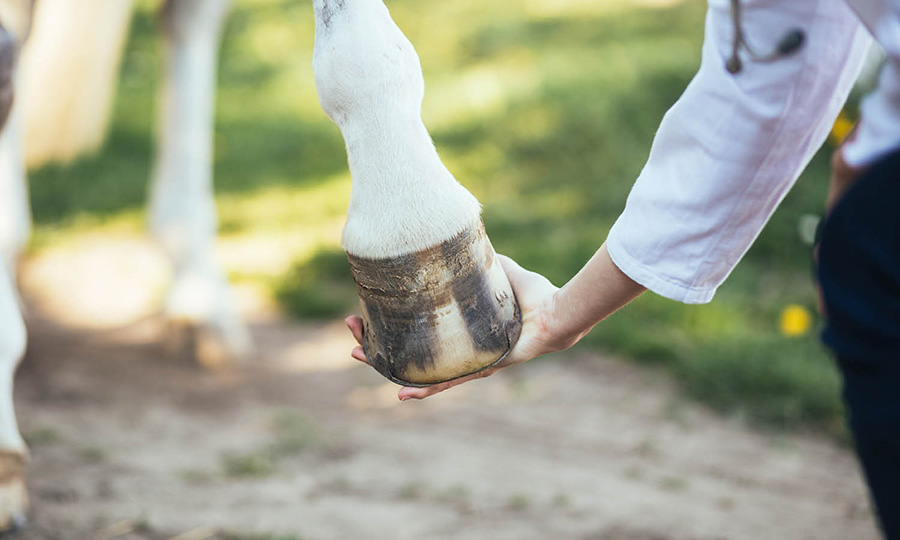 Support Hoof Health
Dry conditions followed by sudden rainfall can be tough on hooves. Cracking, chipping, and changes in hoof quality are common concerns throughout the summer months.
Proper nutrition plays a major role in maintaining strong hooves. Providing balanced minerals and targeted supplements can help support hoof growth and overall hoof integrity year-round.
Regular farrier visits and daily hoof inspections remain important parts of every horse care routine.
 Control Flies and Insects
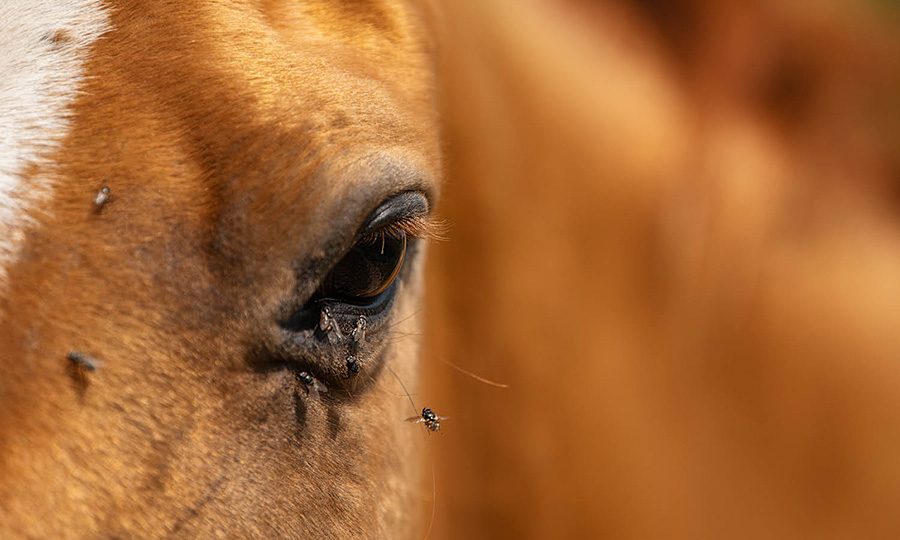
Flies are more than just a nuisance. They can contribute to stress, skin irritation, and reduced performance.
An effective fly control program often includes multiple strategies:
• Fly sprays and repellents
• Fly masks and protective gear
• Manure management
• Feed-through fly control products
• Barn and stable insect control solutions
Starting early and maintaining a consistent program throughout the season often provides the best results.
 Manage Pastures for Long-Term Success
Healthy pastures contribute significantly to horse health while helping reduce feed costs.
Avoid overgrazing by rotating pastures whenever possible and monitoring forage growth during periods of drought or excessive heat. Overgrazed pastures recover slowly and are more susceptible to weed pressure and soil erosion.
Supplementing with quality hay and feed when pasture growth slows can help maintain horse condition while protecting valuable forage stands.
 Your Local Horse Care Resource
Whether you own one horse or manage an entire boarding facility, summer is the perfect time to review your nutrition, pasture, and health management programs.
Our GrandErie Farm & Country department carries a wide selection of horse feeds, supplements, minerals, treats, fly control products, grooming supplies, pasture essentials, and barn necessities. We're always happy to discuss feeding programs and help you find products that support your horses' individual needs.
Stop by and speak with our team—we're here to help keep your horses healthy, comfortable, and performing their best all summer long.
Source: GrandeErie Home Hardware