


Winter Emergencies Every Horse Owner Should Be Prepared For

Winter in Ontario can be beautiful, but for horse owners it can also be unpredictable. Heavy snowfalls, ice storms, power outages, and freezing temperatures can quickly turn an ordinary day at the barn into an emergency situation.
While we can't control the weather, we can prepare for it. Having a plan in place before winter arrives can reduce stress, protect your horses, and help ensure you have the supplies and resources needed when conditions become challenging.
The best time to prepare for a winter emergency is long before the first major storm appears in the forecast.
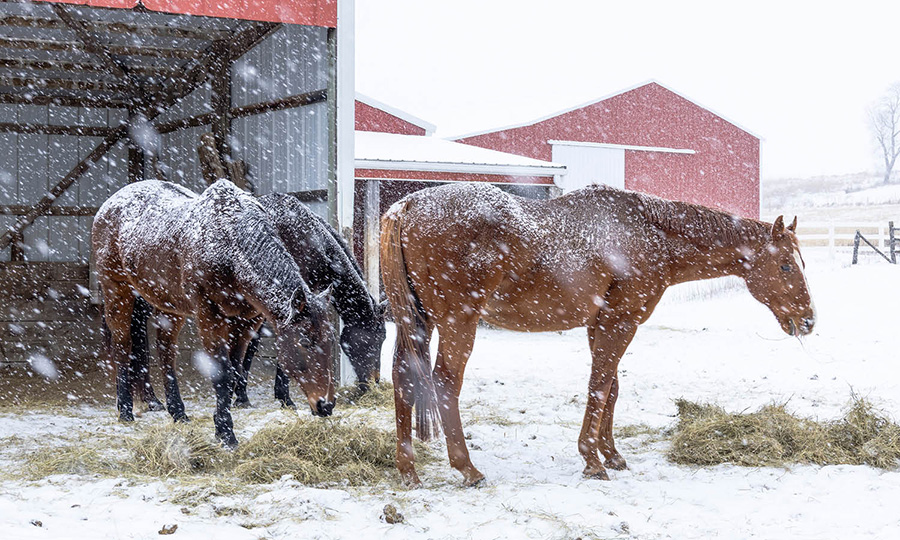 Potential Emergency #1: Power Outages
Power outages are among the most common winter emergencies affecting horse farms. Whether caused by ice accumulation, high winds, or heavy snow, a prolonged outage can impact nearly every aspect of daily horse care.
Without power, horse owners may lose:
• Heated water systems
• Well pumps
• Barn lighting
• Electric fencing
• Ventilation systems
• Security systems
The biggest concern is often water access. Horses can drink between 20 and 50 litres of water per day, depending on weather conditions, workload, and diet. If pumps or heated waterers stop functioning, dehydration can quickly become a concern.
Your Power Outage Checklist
✓ Test generators before winter begins
✓ Store adequate fuel safely and legally
✓ Keep extension cords and flashlights accessible
✓ Charge portable battery packs
✓ Have backup water containers available
✓ Maintain a list of emergency contact numbers
✓ Ensure all family members and staff understand emergency procedures
Even a small portable generator can provide valuable support during a short-term outage.
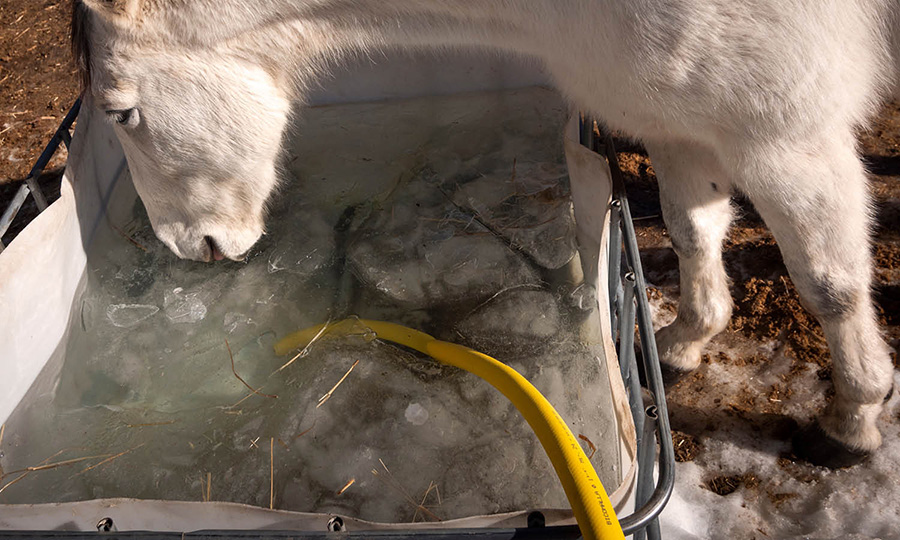
Potential Emergency #2: Frozen Water Systems
If there's one winter issue horse owners consistently battle, it's frozen water.
Frozen pipes, water troughs, hydrants, and hoses can disrupt daily routines and create significant challenges for horse care.
Because horses often drink less during cold weather, frozen water systems can increase the risk of dehydration and impaction colic.
Prevention is always easier than dealing with frozen equipment after temperatures plummet.
Preventing Frozen Water Problems
Before winter arrives:
✓ Inspect water lines and exposed pipes
✓ Repair leaks and damaged fittings
✓ Test heated buckets and waterers
✓ Replace worn extension cords
✓ Store extra hoses and fittings
✓ Keep insulated buckets available
✓ Monitor water temperatures regularly
Many horse owners don't discover a water system issue until temperatures reach their coldest point. Performing routine inspections throughout the season can help identify problems before they become emergencies.
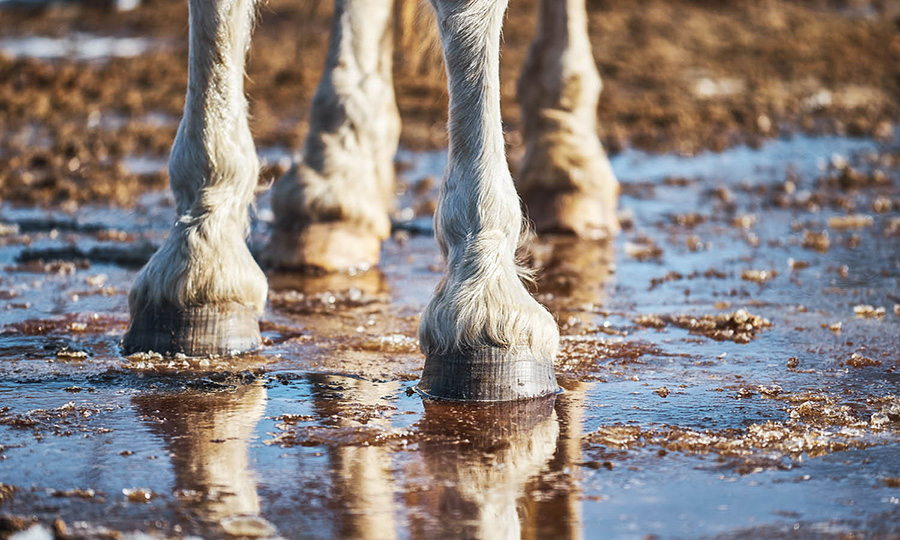
Potential Emergency #3: Ice-Related Injuries
Ice is one of the most overlooked hazards on horse farms.
A seemingly harmless patch of ice can result in slips, falls, strains, cuts, and more serious injuries affecting both horses and handlers.
Areas that commonly become dangerous include:
• Gate entrances
• Water troughs
• Walkways
• Barn entrances
• High-traffic paddock areas
• Trailer loading zones
Reducing ice buildup should be part of every winter management plan.
Reducing Ice Hazards
✓ Improve drainage before freeze-up
✓ Remove snow before it becomes packed ice
✓ Apply appropriate traction materials where needed
✓ Monitor shaded areas that remain frozen longer
✓ Check walkways daily during freeze-thaw cycles
✓ Repair uneven footing before winter begins
If a horse slips or falls, monitor closely for signs of soreness, swelling, lameness, or behavioral changes that may indicate injury.
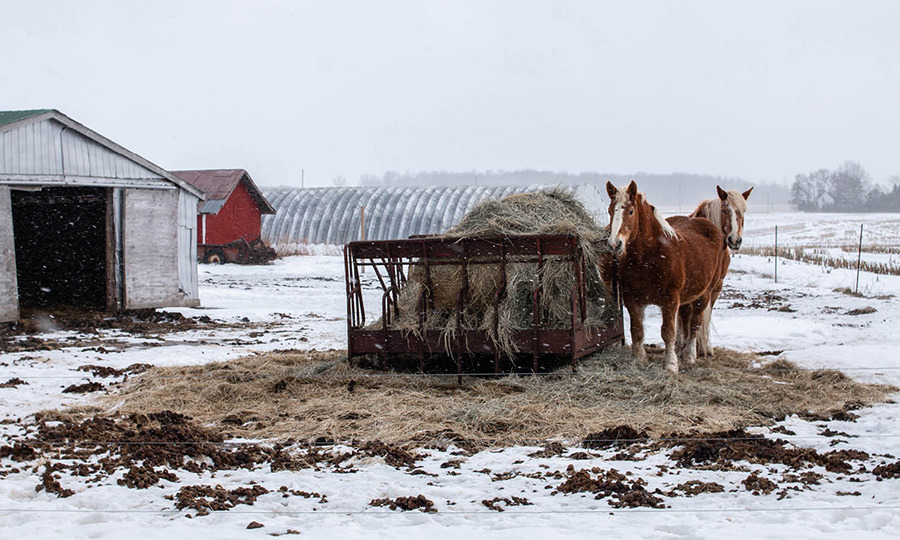
Potential Emergency #4: Severe Winter Storms
Winter storms can arrive with little warning and create conditions that make travel difficult—or impossible.
Heavy snow, blowing winds, and ice accumulation can affect access to feed deliveries, veterinary care, farrier appointments, and emergency services.
The question every horse owner should ask is:
"If I couldn't leave the farm for several days, would I have everything my horses need?"
Storm Preparation Checklist
✓ Maintain at least one to two weeks of feed supply
✓ Keep adequate hay reserves on hand
✓ Ensure medications are stocked
✓ Store extra bedding
✓ Keep fuel supplies topped up
✓ Service tractors and snow removal equipment
✓ Check roof structures and barn doors
✓ Trim trees near fences and buildings
✓ Inspect fencing before winter weather arrives
Preparing for a storm isn't about expecting the worst—it's about reducing the impact if conditions become severe.
 Building a Winter Emergency Kit
Every horse farm should have a dedicated emergency supply kit.
Many people create emergency kits for their homes but overlook the unique needs of their horses.
A well-stocked emergency kit can save valuable time during stressful situations.
Horse Farm Emergency Supplies
Consider including:
For Horses
✓ First aid supplies
✓ Bandages and wraps
✓ Thermometer
✓ Electrolytes
✓ Flashlight or headlamp
✓ Emergency identification information
✓ Halters and lead ropes
✓ Extra buckets
✓ Medications prescribed by your veterinarian
For the Farm
✓ Batteries
✓ Portable lighting
✓ Generator supplies
✓ Fuel stabilizer
✓ Extension cords
✓ Snow shovels
✓ Ice management materials
✓ Water storage containers
✓ Tool kit
✓ Portable phone charger
Store supplies in an easily accessible location and periodically review expiration dates and inventory levels.
Communication Matters
Winter emergencies often develop quickly.
Having a communication plan can be just as important as having physical supplies.
Ensure family members, employees, and farm helpers know:
• Emergency contact numbers
• Veterinarian information
• Generator operating procedures
• Water system shutoff locations
• Feed instructions
• Horse identification details
When severe weather is forecast, communication with neighbours can also be valuable. Many rural communities support one another during storms and extended power outages.
Preparation Provides Peace of Mind
No horse owner can prevent every winter challenge, but preparation can significantly reduce the risks associated with severe weather.
A little planning today can help avoid stressful situations tomorrow. By evaluating your farm's emergency readiness, maintaining critical equipment, and keeping essential supplies on hand, you'll be better equipped to protect both your horses and your property throughout the winter season.
At GrandErie's Farm & Country Division, we understand the realities of caring for horses during Ontario winters. From heated buckets and water system supplies to generators, emergency equipment, bedding, feed, fencing supplies, and winter barn essentials, our team is committed to helping horse owners prepare before emergencies happen.
Because when winter weather arrives, preparation isn't just convenient—it's essential.
Source: GrandeErie Home Hardware